
ब्लग
पोर्टेबल सिरिन्ज पम्पहरूले नियन्त्रित इन्फ्युजन कायम राख्दै बिरामीहरूलाई बेडसाइडभन्दा बाहिर जान मद्दत गर्न सक्छ। प्रारम्भिक परिचालन, निदान स्थानान्तरण, पुनर्स्थापना, र विभागहरू बीचको आन्दोलनको समयमा त्यो महत्त्वपूर्ण हुन्छ। यद्यपि पोर्टेबिलिटी भनेको सानो घेरा वा ह्यान्डल मात्र होइन। मोबाइल सेटअपले थेरापीलाई निरन्तर, सिरिन्ज सुरक्षित, लाइन सुरक्षित, अलार्म देखिने वा सुन्न सकिने, र बिरामीलाई उचित रूपमा पर्यवेक्षण गरिरहनुपर्छ।
अस्पतालका खरीददारहरू, बायोमेडिकल इन्जिनियरहरू, नर्सिङ नेताहरू, र वितरकहरूका लागि, व्यावहारिक प्रश्न यो हो कि पूर्ण पम्प-र-लाइन प्रणालीले रोक्न सकिने अवरोध, प्रोग्रामिङ, शक्ति, वा जोखिमहरू ह्यान्डलिङ बिना यात्रा गर्न सक्छ। यो मार्गदर्शकले त्यो फराकिलो लक्ष्यको वरिपरि पोर्टेबल सिरिन्ज पम्पहरूको मूल्याङ्कन गर्दछ।
चिकित्सकीय रूपमा उपयुक्त हुँदा, बिरामीलाई ओछ्यानबाट बाहिर निकाल्दा पुनर्वास, शौचालय, इमेजिङ, वार्ड स्थानान्तरण, र कम प्रतिबन्धात्मक हेरचाह अनुभवलाई समर्थन गर्न सक्छ। एक सिरिन्ज पम्पले त्यो आन्दोलनलाई समर्थन गर्न सक्छ किनभने यसले कम्प्याक्ट सिरिन्जबाट औषधि वा तरल पदार्थ प्रदान गर्दछ।
पम्पले प्रत्येक बिरामीलाई स्वतन्त्र रूपमा मोबाइल बनाउँदैन। औषधि, भास्कुलर पहुँच, अनुगमन आवश्यकताहरू, पतन जोखिम, संज्ञानात्मक स्थिति, र अस्पताल नीतिले अझै पनि आन्दोलन कसरी हुनुपर्दछ भनेर निर्धारण गर्दछ। गतिशीलता भनेको कर्मचारीहरूसँग हिंड्नु, कुर्सीमा बस्नु, ह्वीलचेयरमा हिड्नु वा स्ट्रेचरमा यात्रा गर्नु हो। अस्पष्ट आवश्यकता "पोर्टेबल" प्रयोग गर्नुको सट्टा यी परिदृश्यहरूलाई परिभाषित गरेर एक उपयोगी खरीद विशिष्टता सुरु हुन्छ।"
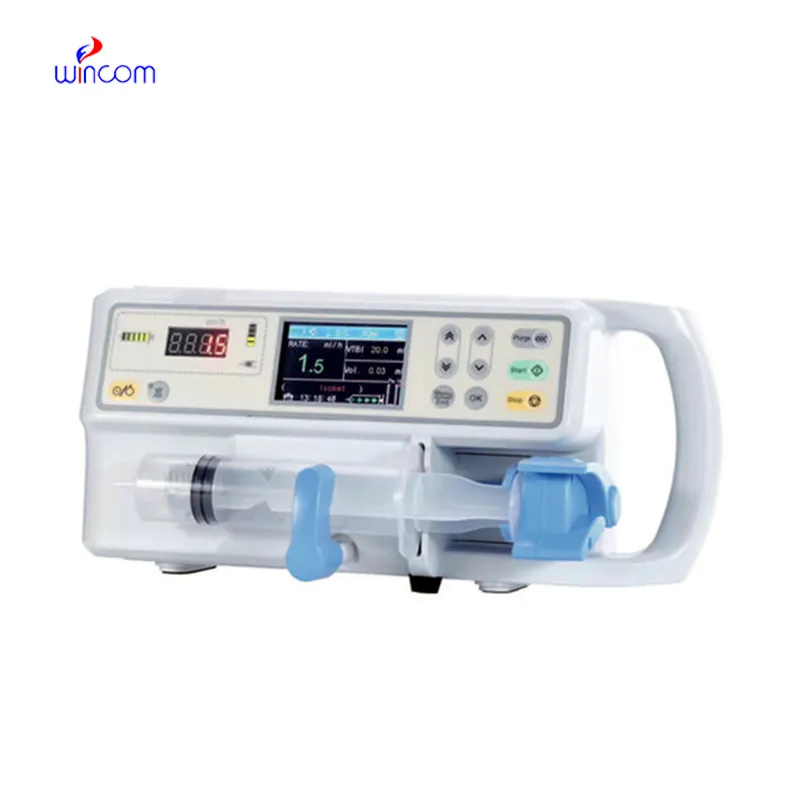
पोर्टेबल डिजाइन प्रणालीको रूपमा काम गर्नुपर्छ। आकार र तौलले ह्यान्डलिङलाई प्रभाव पार्छ, जबकि ब्याट्री सहनशीलता, माउन्टिङ सेक्युरिटी, डिस्प्ले पठनीयता, अलार्म, सिरिन्ज अनुकूलता, र सफा आकार गतिशीलता। उठाउन सजिलो तर सुरक्षित रूपमा जोड्न गाह्रो भएको पम्पले स्थानान्तरण जोखिम थप्न सक्छ। ब्याट्री सहनशीलता पनि स्पष्ट चार्ज प्रदर्शन बिना सीमित मूल्य छ।
प्रत्येक विशेषतालाई कार्यमा नक्सा गर्नुहोस्। स्टाफले लाइन नताइकन एसेम्बली सार्न सक्छ कि भनेर सोध्नुहोस्, क्ल्याम्पले रोटेशनलाई प्रतिरोध गर्छ कि गर्दैन, नियन्त्रणहरू लक गर्न सकिन्छ कि छैन, र अलार्महरू करिडोरमा चिन्न सकिन्छ कि छैन भनेर सोध्नुहोस्। पोल, डक, पावर एडाप्टर, र केबल व्यवस्थापन समावेश गर्नुहोस् किनभने सामानहरूले प्रायः व्यावहारिक पोर्टेबिलिटी निर्धारण गर्दछ।
| मूल्याङ्कन क्षेत्र | के प्रमाणित गर्ने | किन यो महत्त्वपूर्ण छ |
|---|---|---|
| शक्ति | ब्याट्री रनटाइम, रिचार्ज समय, स्थिति प्रदर्शन, कम ब्याट्री चेतावनी | मुख्य शक्ति अनुपलब्ध हुँदा निरन्तरता सुरक्षित गर्दछ |
| माउन्ट गर्दै | क्ल्याम्प दायरा, रोटेशन प्रतिरोध, रेल वा पोल फिट, रिलीज विधि | आन्दोलनको समयमा ड्रप, टिपिङ, र लाइन तनाव कम गर्दछ |
| इन्टरफेस | स्क्रिन दृश्यता, कुञ्जी लक, पुष्टिकरण चरणहरू, अलार्म इतिहास | कर्मचारीहरूलाई सक्रिय कार्यक्रम पहिचान गर्न र अनावश्यक परिवर्तनहरूबाट बच्न मद्दत गर्दछ |
| सिरिन्ज सेटअप | समर्थित ब्रान्ड र आकार, पत्ता लगाउने विधि, सुरक्षित लोडिङ | बेमेल र सेटअप अनिश्चितता सीमित गर्दछ |
| यातायात | वजन, आयाम, ह्यान्डल, सामान, केबल व्यवस्थापन | कसरी पूरा प्रणाली ढोका र लिफ्टहरू मार्फत सर्छ निर्धारण गर्दछ |
| स्वच्छता | सतह सामग्री र स्वीकृत सफाई एजेन्टहरू | लेबल वा नियन्त्रणहरूलाई हानि नगरी कारोबारलाई समर्थन गर्दछ |
ट्रान्जिसनहरू सबैभन्दा ध्यानको योग्य छन्: मुख्य पावर विच्छेदन, पर्खालको रेलबाट पोलमा सर्ने, ढोकाहरू हुँदै गन्तव्यमा पुन: जडान गर्ने। आन्दोलन गर्नु अघि, बिरामी, औषधि, एकाग्रता, दर, बाँकी भोल्युम, भास्कुलर पहुँच, लाइन मार्ग, ब्याट्री, अलार्म, र गन्तव्य शक्ति स्रोत पुष्टि गर्नुहोस्।
स्न्याग गर्न सक्ने लूपहरू बिना पर्याप्त व्यवस्थित लाइन स्ल्याक प्रदान गर्नुहोस्। सम्भव भएसम्म पम्प र पहुँच साइट दृश्यमान राख्नुहोस्। आगमनमा, निश्चित गर्नुहोस् कि इन्फ्युजन उद्देश्य अनुसार जारी छ र स्थानीय नीति अन्तर्गत कुनै अवरोध कागजात गर्नुहोस्। यी जाँचहरू स्थानान्तरण गति भन्दा बढी महत्त्वपूर्ण छन्।
ब्याट्री कार्यसम्पादनले अफ-मेन अपरेशनको लागि सीमा सेट गर्दछ। अपेक्षित सेटिङहरू अन्तर्गत प्रयोग गर्न मिल्ने रनटाइमको मूल्याङ्कन गर्नुहोस्, नाममात्रको आंकडा मात्र होइन। बुढ्यौली, तापक्रम, चार्जिङ र अलार्मले कार्यसम्पादनलाई कसरी असर गर्छ र मर्मतसम्भारले ब्याट्रीको अवस्था कसरी प्रमाणित गर्छ भनेर सोध्नुहोस्।
प्रयोगकर्ताहरूले मोबाइल सञ्चालन गर्नु अघि अवरोध, नजिक-खाली, खाली, सिरिन्ज विस्थापन, प्रणाली त्रुटि, र कम ब्याट्री अलार्महरू बुझ्नुपर्छ। स्वीकृति परीक्षणको क्रममा अलार्म प्राथमिकता, भोल्युम, दृश्य संकेतकहरू, मौन व्यवहार, र घटना रेकर्डहरू प्रमाणित गर्नुहोस्। स्पष्ट प्रदर्शन, जानाजानी पुष्टिकरण अनुक्रम, र नियन्त्रण लकले वातावरण परिवर्तन हुँदा अस्पष्टता कम गर्न सक्छ।
ICU मा, पोर्टेबिलिटीले इमेजिङ वा बेड स्थानान्तरणलाई धेरै यन्त्रहरू संलग्न भएको समर्थन गर्न सक्छ। सामान्य वार्डमा, यसले पर्यवेक्षित हिड्ने वा कुर्सी प्रयोगलाई समर्थन गर्न सक्छ। नवजात शिशु र बाल चिकित्सा हेरचाहले प्रोटोकल, सिरिन्ज चयन, लाइन व्यवस्थापन, र अनुगमनमा थप जोड दिन्छ। Wincom को लेख मा मानकीकृत नवजात र शिशु लगातार इन्फ्यूजन कम-भोल्युम कार्यप्रवाहहरूको लागि सन्दर्भ थप्छ।
एक प्रयोग-केस म्याट्रिक्स बनाउनुहोस् जसले विभाग, विशिष्ट थेरेपी अवधि, सिरिन्ज आकारहरू, माउन्ट गर्ने स्थान, स्थानान्तरण दूरी, अनुगमन स्तर, र सफाई आवृत्ति सूचीबद्ध गर्दछ। ती वास्तविक मार्गहरू विरुद्ध उम्मेदवार पम्पहरू तुलना गर्नुहोस्। यो एकल अधिकतम मूल्य वरिपरि एउटा मोडेल चयन गर्नु भन्दा बढी उपयोगी छ, किनभने गतिशीलता दोहोर्याइएको दैनिक प्रयोगको समयमा सुविधाहरू कसरी सँगै काम गर्दछ भन्नेमा निर्भर गर्दछ।
द Wincom सिरिन्ज पम्प SRP-810D सुरक्षा र डेटा-व्यवस्थापन कार्यहरूसँग व्यापक सिरिन्ज अनुकूलता संयोजन गर्दछ।
यी प्रकार्यहरूले SRP-810D लाई आधारभूत पम्पबाट अलग गर्छ। ब्याट्री रनटाइम, माउन्टिङ, सामान, र बजार कागजात पुष्टि गर्नुहोस्।
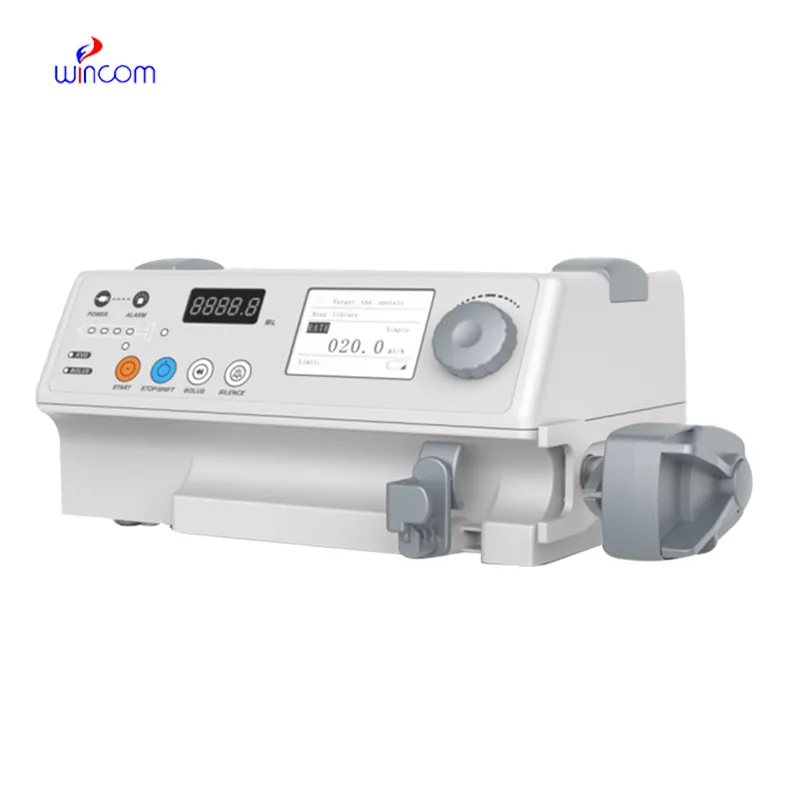
पम्प एक्लै यात्रा गर्दैन। पोल, ओछ्यान, व्हीलचेयर, स्ट्रेचर र पावर व्यवस्थाले स्थिरता र पहुँच निर्धारण गर्दछ। समीक्षा गर्नुहोस् इन्फ्यूजन समर्थन विकल्प पम्पको छेउमा, विशेष गरी जहाँ उपकरणहरूले एक स्ट्यान्ड साझा गर्दछ। गुरुत्वाकर्षण केन्द्र, पाङ्ग्रा, ब्रेक, पोल व्यास, क्ल्याम्प स्थिति, केबल, र ढोका क्लियरेन्स जाँच गर्नुहोस्।
मानकीकृत माउन्टिंग स्थितिहरूले भिन्नता कम गर्दछ, जबकि लेबलहरूले अनुमोदित कन्फिगरेसनहरू पहिचान गर्दछ। बायोमेडिकल इन्जिनियरिङ्ले विद्युतीय सुरक्षा र अनुकूलताको मूल्याङ्कन गर्नुपर्छ; नर्सिङले ह्यान्डलिंग परीक्षण गर्नुपर्छ; संक्रमण रोकथाम सफाई समीक्षा गर्नुपर्छ; र खरिद मूल्याङ्कन गरिएको सेटअपसँग उद्धृत सामानहरू मिल्नुपर्छ।
प्रशिक्षणले दबाब बिन्दुहरू पुन: उत्पादन गर्नुपर्छ। प्रयोगकर्ताहरूलाई ब्याट्री पावरमा सर्ने, अनुमोदित समर्थनहरू सुरक्षित गर्ने, लाइनहरू प्रबन्ध गर्ने, करिडोर अलार्महरूलाई प्रतिक्रिया दिने, हस्तान्तरण गर्ने, र यन्त्रलाई चार्ज गर्न फिर्ता गर्ने अभ्यास चाहिन्छ। योग्यता जाँचहरूले नियमित यातायातलाई अतिरिक्त समर्थन चाहिने अवस्थाहरूबाट छुट्याउनुपर्दछ।
स्थानान्तरणको क्रममा कसले सेटिङहरू परिवर्तन गर्न सक्छ र पम्प खस्यो, तरल पदार्थको सम्पर्कमा आयो, अप्रत्याशित व्यवहार देखाउँछ, वा ब्याट्रीमा यात्रा पूरा गर्न सक्दैन भने के गर्ने भन्ने कुरा पनि सुविधाहरूले परिभाषित गर्नुपर्छ। रिफ्रेसर प्रशिक्षणले वास्तविक कमजोरीहरूमा ध्यान केन्द्रित गर्न घटना रिपोर्टहरू, अलार्म प्रवृत्तिहरू, र मर्मत निष्कर्षहरू प्रयोग गर्न सक्छ। गतिशीलताले हेरचाहमा सुधार गर्छ जब कर्मचारीहरूले बेडसाइडमा प्रयोग गरिएका एउटै औषधि सुरक्षाहरू सुरक्षित गर्न सक्छन्।
पोर्टेबल सिरिन्ज पम्पहरूले निरन्तर इन्फ्युजनद्वारा सिर्जना गरिएको भौतिक प्रतिबन्धलाई कम गर्न सक्छ, तर गतिशीलता एउटा उत्पादन लेबलको सट्टा राम्रो प्रणाली डिजाइनको परिणाम हो। सबैभन्दा बलियो कार्यक्रमहरूले यन्त्र सुविधाहरू, सामानहरू, कर्मचारीहरूको योग्यता, मर्मतसम्भार, औषधि नीति, र स्पष्ट रूपमा परिभाषित रोगी मार्गहरू वरिपरि स्थानान्तरण प्रक्रियाहरू पङ्क्तिबद्ध गर्दछ।
मोडेलहरू तुलना गर्दा, यात्राको साथ सुरु गर्नुहोस्: बिरामी कहाँ सर्छ, कति समयसम्म पावर उपलब्ध नहुन सक्छ, कसले सुपरिवेक्षण गर्नेछ, कुन उपकरण पम्पसँग यात्रा गर्दछ, र स्थानान्तरण अघि र पछि उपचार कसरी प्रमाणित हुनेछ। त्यसपछि ती सर्तहरू विरुद्ध उपकरण योग्य। यस दृष्टिकोणले अस्पतालहरूलाई इन्फ्युजन निरन्तरतालाई माध्यमिक चिन्ताको रूपमा उपचार नगरी बढी बिरामी गतिशीलता पछ्याउन मद्दत गर्दछ।
होइन। गतिशीलता थेरापी, भास्कुलर पहुँच, निगरानी, क्लिनिकल अवस्था, पतनको जोखिम, र सुविधा नीतिमा निर्भर गर्दछ। हेरचाह टोलीले उपयुक्त पर्यवेक्षण र विधि निर्धारण गर्दछ।
कुनै एकल विनिर्देश पर्याप्त छैन। ब्याट्री प्रदर्शन, सुरक्षित माउन्टिङ, अलार्म व्यवहार, सिरिन्ज अनुकूलता, इन्टरफेस नियन्त्रण, वजन, र सहायक कन्फिगरेसन उद्देश्य स्थानान्तरण कार्यप्रवाह विरुद्ध सँगै मूल्याङ्कन गर्नुपर्छ।
यसलाई स्क्रिनिङ इनपुटको रूपमा प्रयोग गर्नुहोस्, त्यसपछि परीक्षण सर्तहरू पुष्टि गर्नुहोस् र स्वीकृति र निवारक मर्मतसम्भारको समयमा प्रदर्शन प्रमाणित गर्नुहोस्। ब्याट्रीको उमेर, सेटिङहरू, चार्ज गर्ने अभ्यास, र सञ्चालन अवस्थाहरूले प्रयोगयोग्य रनटाइमलाई असर गर्न सक्छ।
लक्षित देश, क्लिनिकल विभागहरू, अपेक्षित सिरिन्ज आकारहरू, प्रयोग परिदृश्यहरू, स्थानान्तरण अवधि, माउन्टिङ प्रणाली, पावर मानक, आवश्यक भाषा, मात्रा, कागजात आवश्यकताहरू, र अनुरोध गरिएका सामानहरू प्रदान गर्नुहोस्। यसले Wincom लाई थप सटीक कन्फिगरेसन र उद्धरणको साथ प्रतिक्रिया दिन पर्याप्त सन्दर्भ दिन्छ।
हालको मोडेल जानकारी र उद्धरण अनुरोध गर्न Wincom लाई तपाईंको क्लिनिकल प्रयोग केसहरू, कन्फिगरेसन आवश्यकताहरू, गन्तव्य बजार, र कागजात चेकलिस्ट पठाउनुहोस्।
SRP-810D जानकारी अनुरोध गर्नुहोस्
क्लिनिकल नोट: यन्त्र चयन, प्रोग्रामिङ, यातायात, अनुगमन, र मर्मतसम्भारले निर्माताको हालको निर्देशनहरू र स्वास्थ्य सेवा सुविधाको अनुमोदित नीतिहरू पालना गर्नुपर्छ।
इ-मेल: [email protected]
टेलिफोन: +८६-७३१-८४१७६६२२
+86-731-84136655
ठेगाना: Rm.1507, Xinsancheng प्लाजा। No.58, रेन्मिन रोड (E), चाङ्शा, हुनान, चीन


 EN
EN
 af
af
 es
es
 ar
ar
 tr
tr
 sw
sw
 pt
pt
 th
th
 ur
ur
 bn
bn
 ne
ne
 vi
vi
 km
km
 lo
lo
 de
de
 ru
ru
 fi
fi
 nl
nl
 fa
fa
 fr
fr
 ko
ko


