lightweight portable oxygen concentrator uses state-of-the-art filtration and concentration technology to provide medical-grade oxygen. Its airtight mechanism acts as a barrier against the pollutants that typically invade the hospital environment and damage non-filtered components. The output of the device can be modified by the medical personnel according to the precise needs of the patient. The unit is made for daily distribution of oxygen to patients, hence it is an effective support of consistent respiratory assistance. All these factors make lightweight portable oxygen concentrator a major player in the process of managing oxygen in hospitals.

The use of lightweight portable oxygen concentrator in pediatric departments is aimed at children with respiratory conditions receiving appropriate oxygen therapy. Kids who have medical issues with their lungs need very precise and gentle oxygen flow since their airways are very sensitive. Doctors and nurses rely on the machine to help the kids recover from infection, asthma, or even after surgery. The device operates noiselessly and produces a steady output, which is very helpful in keeping the hospital atmosphere calm. The scenario proves that lightweight portable oxygen concentrator is vital in medical care for children with special needs.
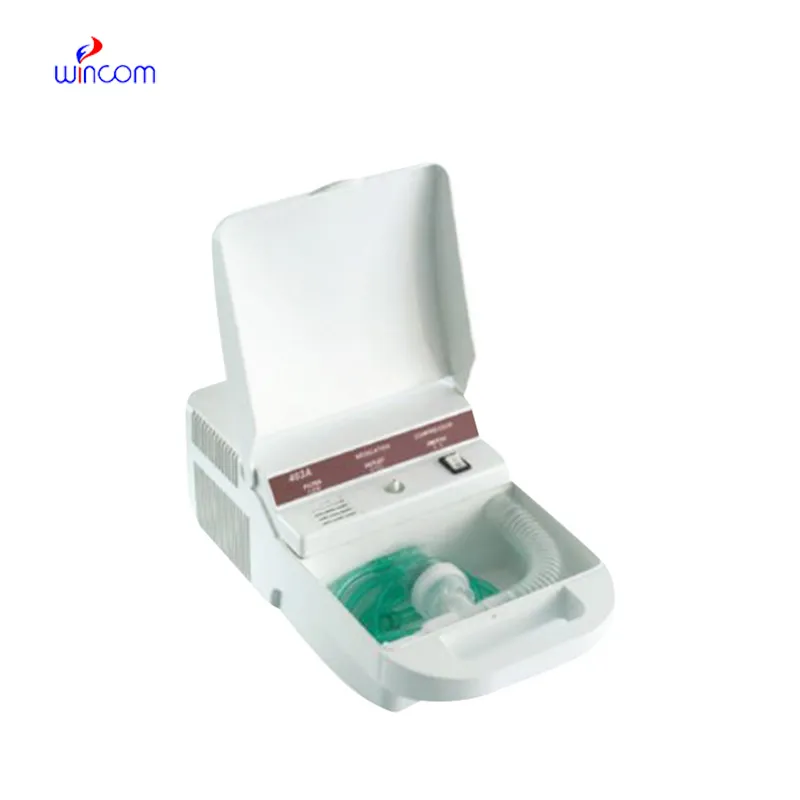
Future lightweight portable oxygen concentrator designs in outpatient and ambulatory care may focus on small footprints and easy management. Devices that work perfectly with current workflows will be a great help for clinics with little space. Enhanced user-friendliness might shorten the training period for healthcare professionals. Such a change is a step toward more outpatient services and non-centralized healthcare delivery systems. lightweight portable oxygen concentrator will probably adjust to these new Trends in healthcare delivery.
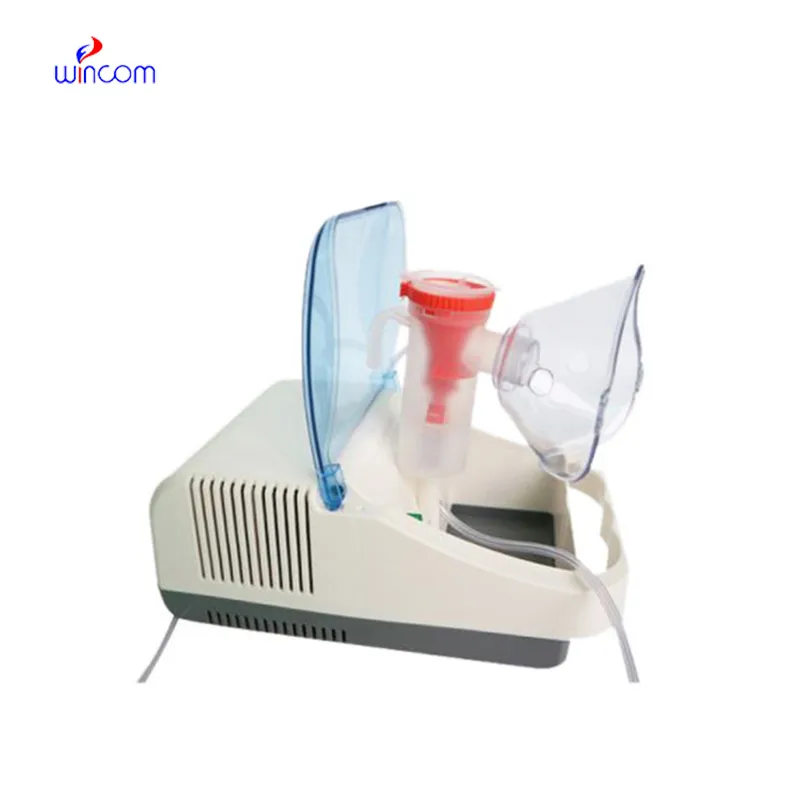
lightweight portable oxygen concentrator involves the attention of both the internal and external parts in order to keep performance uniform. Cleaning the outside of the machine with hospital-grade disinfectants stops contamination from happening. The internal units like compressors and concentrator beds should have periodic inspections by trained technicians. Electrical systems along with the backup circuits should be checked at regular intervals so that service interruptions do not occur. All these maintenance strategies ensure that oxygen is continuously available in wards, recovery rooms, and outpatient clinics. Hospitals gain a lot from these routines in the form of lower rates of unplanned downtime and the ability to provide patient care under safe and stable operating conditions.
In recovery units after surgery, lightweight portable oxygen concentrator is particularly applied to assist patients to return to a stable breathing state after being put under anesthesia. The gradual flow of oxygen suffices to keep the oxygen saturation in the blood at proper levels during the early recovery phase. Hospital personnel observe the patients and change the rates as per the needs. The apparatus guarantees that during this crucial period, oxygen will never run out. Besides, the use of lightweight portable oxygen concentrator in recovery departments is indicative of its adaptability to various parts of hospital patient treatment.
Q: What is the main difference between an Oxygen Concentrator and an oxygen cylinder? A: A: An oxygen concentrator builds oxygen from the air, this means there is no need for cylinders to be refilled, while an oxygen cylinder only dispenses oxygen. Q: Will it be alright for the patients suffering from chronic respiratory diseases? A: Yes, in case of COPD or severe asthma, it is an oxygen therapy that lasts indefinitely. Q: Will it be a good choice for laboratory purposes? A: Yes, it is a major contributor to the provision of controlled oxygen in medical research or the conducting of experiments where stable oxygen levels are a must. Q: What is the process for oxygen flow adjustment? A: The patient’s oxygen volume can be easily set by the staff using flow meters and knobs. Q: What needs to be done for the appliance to be maintained? A: Cleaning filters on a regular basis and inspecting the tubing, as well as monitoring of alarms, will ensure the machine performs properly all the time.
We’ve used this centrifuge for several months now, and it has performed consistently well. The speed control and balance are excellent.
The hospital bed is well-designed and very practical. Patients find it comfortable, and nurses appreciate how simple it is to operate.
To protect the privacy of our buyers, only public service email domains like Gmail, Yahoo, and MSN will be displayed. Additionally, only a limited portion of the inquiry content will be shown.
Hello, I’m interested in your centrifuge models for laboratory use. Could you please send me more ...
Could you share the specifications and price for your hospital bed models? We’re looking for adjus...
E-mail: [email protected]
Tel: +86-731-84176622
+86-731-84136655
Address: Rm.1507,Xinsancheng Plaza. No.58, Renmin Road(E),Changsha,Hunan,China


 EN
 af
 es
 ar
 tr
 sw
 pt
 th
 ur
 bn
 ne
 vi
 km
 lo
 de
 ru
 fi
 nl
 fa
 fr
 ko