In the hospital and laboratory environments, pass machine anesthesia provides a complete anesthesia management solution by integrating gas delivery, ventilation support, and continuous physiological monitoring. The equipment measures oxygen saturation, airway pressures, and respiratory parameters, thus enabling anesthesiologists to react promptly to the demands of the patients. A precise control of anesthetic gases is guaranteed by integrated safety alarms and adjustable flow systems. pass machine anesthesia finds its utility in operating rooms, emergency care units, and laboratory-based clinical studies. Its dependable performance not only secures patient stability but also increases the efficiency of the procedure and facilitates uniform monitoring across various hospital settings.

pass machine anesthesia finds its place in diagnostic and interventional procedures where sedation is needed but not full surgical anesthesia. Imaging-guided interventions or endoscopic examinations usually require controlled sedation and also airway support. The equipment gives the practitioners the power to control the patient's respiration, at the same time keeping the anesthetic at the correct level. Its usage provides relief for the patient and also enhances the precision of the procedure. By enabling non-surgical medical methods, pass machine anesthesia increases the area of anesthesia management from the operating room to different hospital wards.
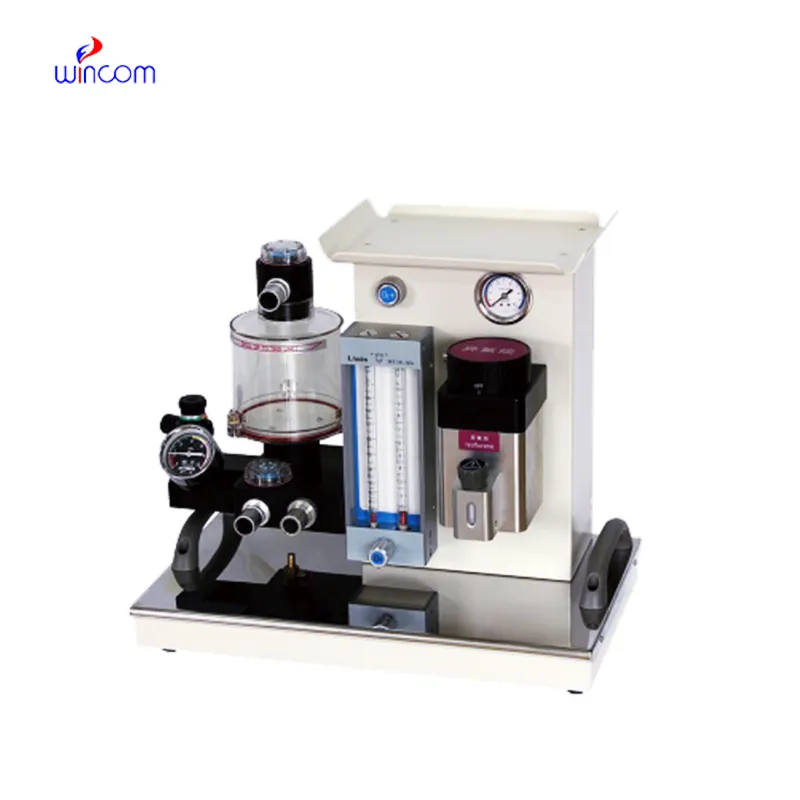
Future advancements in pass machine anesthesia might have better user interfaces that can be user-friendly and save the time for training. Visual aids that are easy to understand and controls that are user-friendly can make it possible to have the same quality of use across different clinical teams. Those hospitals that constantly have new staff coming in and out or are using different medical specialists may find the new features of pass machine anesthesia very helpful in dealing with the problems caused by the diversity of the staff. In focusing on the characteristics of the product that make it easier to use and more effective, pass machine anesthesia will be able to provide support for the safe management of anesthesia even in situations where the healthcare workforce is changing.
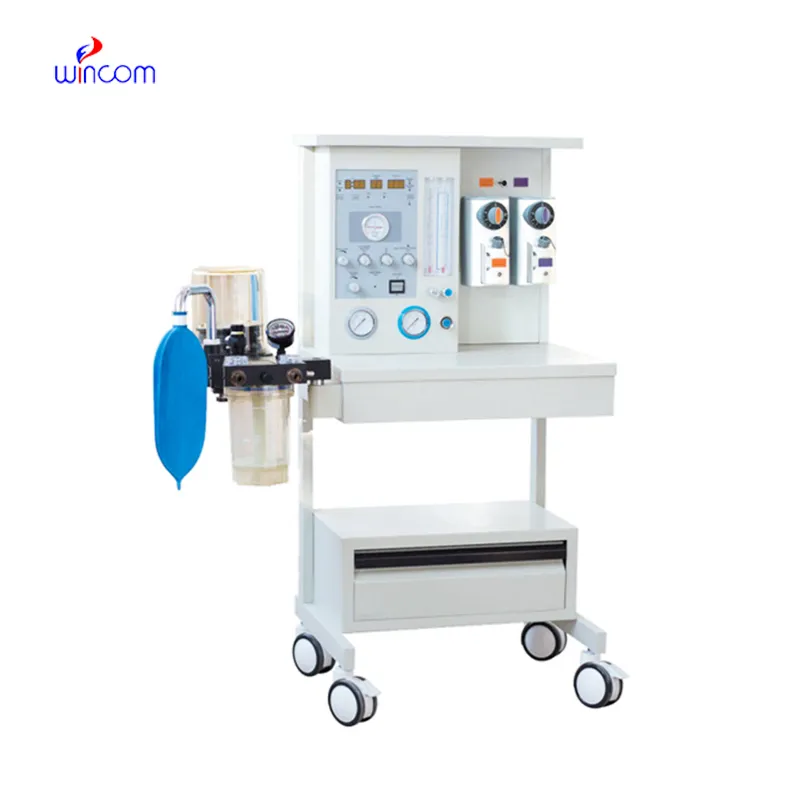
pass machine anesthesia are the most important things in hospital maintenance and cleaning procedures. The external surfaces need to be disinfected with approved disinfectants to totally avoid the transfer of germs. For example, the internal parts like vaporizers need to be checked regularly to make sure that the residue does not harm the operation. In the labs and operating rooms, highly strict cleanliness rules are applied which are beneficial to both patients and medical personnel. Moreover, proper drying after cleaning saves the equipment from moisture damage. These practices of care and maintenance ensure the safe use and keep the pass machine anesthesia constant in all the medical departments performance.
pass machine anesthesia are the key factor in anesthesia management of surgical and critical care units. It offers ventilatory support, delivery of O2, and control of anesthetic gases automatically which together make the process of sedating very reliable.surgeries. It is the device's accuracy that hospitals rely on to keep the patients in a stable condition throughout the procedure. Furthermore, the device’s built-in monitoring functions such as pressure sensors and flow meters, give anesthesiologists the power to adapt the settings based on the real-time physiological data thus making patient care and safety consistent.
Q: What is the main function of an anesthesia machine? A: Controlled anesthetic gases are delivered and the patient is ventilated during medical procedures. Q: Where is the anesthesia machine frequently used? A: Hospitals mainly use it in their operating rooms, emergency units, and intensive care departments. Q: Who operates the anesthesia machine during surgery? A: Trained anesthesiologists or anesthesia technicians are responsible for operating the device. Q: Can the anesthesia machine assist the breathing of a patient? A: Yes, by providing mechanical ventilation support when spontaneous breathing is insufficient. Q: Does the device monitor respiratory parameters? A: It monitors airflow, pressure and oxygen concentration all through the delivery.
I’ve used several microscopes before, but this one stands out for its sturdy design and smooth magnification control.
The microscope delivers incredibly sharp images and precise focusing. It’s perfect for both professional lab work and educational use.
To protect the privacy of our buyers, only public service email domains like Gmail, Yahoo, and MSN will be displayed. Additionally, only a limited portion of the inquiry content will be shown.
Could you share the specifications and price for your hospital bed models? We’re looking for adjus...
We’re currently sourcing an ultrasound scanner for hospital use. Please send product specification...
E-mail: [email protected]
Tel: +86-731-84176622
+86-731-84136655
Address: Rm.1507,Xinsancheng Plaza. No.58, Renmin Road(E),Changsha,Hunan,China


 EN
 af
 es
 ar
 tr
 sw
 pt
 th
 ur
 bn
 ne
 vi
 km
 lo
 de
 ru
 fi
 nl
 fa
 fr
 ko