
Its superior optics enhance observation precision with crisp, high-resolution images at every magnification. Its durable construction resists frequent use in the classroom and professional environments. The variable brightness and focusing adjustments make the portable digital microscope for biological experiments suitable for many types of specimens, from biological tissues to industrial samples. Optional digital accessories extend its functionality with high-resolution imaging, data storage, and analytical interface with modern research systems.

Across the worlds of science, industry, and education, the portable digital microscope for biological experiments enables research at the microscopic level. It is an essential tool in medical diagnosis to analyze blood, tissues, and pathogens. Environmental scientists apply the portable digital microscope for biological experiments to determine bacteria and microalgae that indicate water levels of quality. In materials science, it enables nanostructure analysis and the identification of defects. Art conservators apply the portable digital microscope for biological experiments to analyze pigments and varnish layers. Its ability to produce accurate, detailed imagery makes it a valuable resource in continuing discovery and research development.

Future portable digital microscope for biological experiments will be efficient, readable, and networked. Advanced digital imaging technology will provide sharper output with less noise in the data. Machine learning enhancements will speed up measurements and classification. The portable digital microscope for biological experiments may also have multi-spectral imaging modes so that users can better analyze chemical mixtures. Interactive visualisation and remote control capabilities will allow several people to utilize the same portable digital microscope for biological experiments remotely at different locations, changing how microscopic research is conducted.
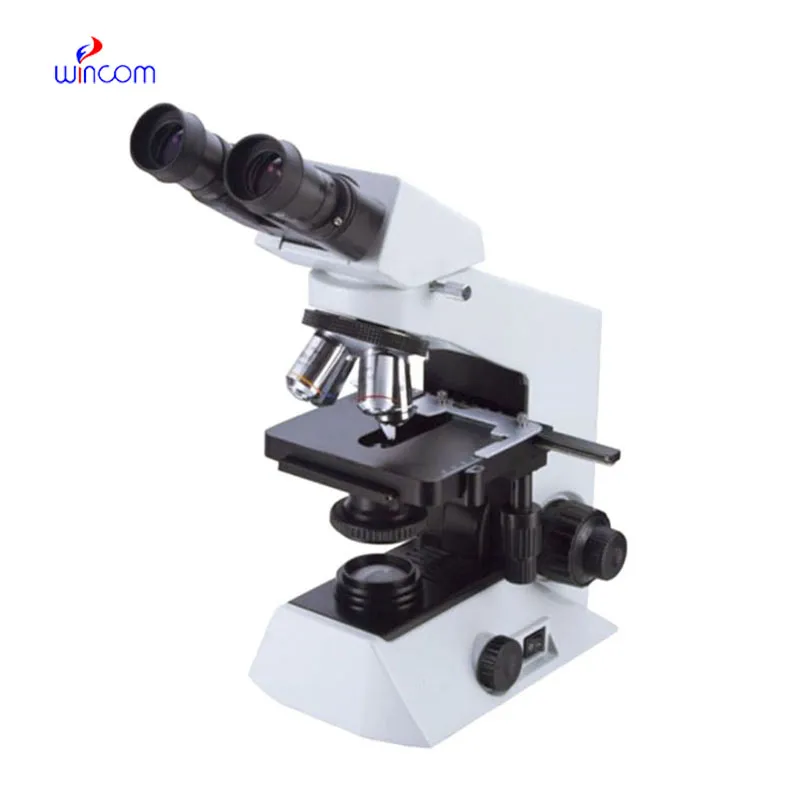
Maintenance of the portable digital microscope for biological experiments involves regular cleaning and preventive inspection. Always start by making sure all lenses and eyepieces are clean of dust before observing. Avoid subjecting the portable digital microscope for biological experiments to extreme temperatures or humidity levels. Clean immersion lenses after each session and remove all the slides from the stage. Keep the portable digital microscope for biological experiments covered when not in use to protect it from contaminants. Engage professional maintenance every year to inspect optical alignment and ensure there is smooth mechanical running.
A portable digital microscope for biological experiments is an entry to the micro world, bringing one into contact with structures that characterize life and matter. It works by magnifying specimens through accuracy lenses and management of light, producing good images for research and study. The portable digital microscope for biological experiments gives assistance to microbiology, pathology, and materials engineering and other fields of study, enabling close examination and data collection. With features like LED illumination and picture software, it adds more precision, stability, and efficacy to users everywhere.
Q: What is a microscope used for? A: A microscope is used to magnify tiny objects or structures, allowing detailed observation of cells, microorganisms, and materials that are invisible to the naked eye. Q: How often should a microscope be calibrated? A: To maintain measurement accuracy and ensure accurate focus during research or analysis, regular calibration should be performed, typically once or twice a year. Q: What type of light source is commonly used in a microscope? A: Most modern microscopes use LED or halogen light sources, which provide stable light and adjustable brightness for clear images at a wide range of magnifications. Q: Can a microscope be connected to a computer? A: Yes, many microscope models feature USB or HDMI ports that allow image capture and digital display through specialized imaging software. Q: How should a microscope be stored when not in use? A: A microscope should be covered with a dust shield and stored in a cool, dry location to prevent contamination and protect optical components from humidity.
We’ve used this centrifuge for several months now, and it has performed consistently well. The speed control and balance are excellent.
The delivery bed is well-designed and reliable. Our staff finds it simple to operate, and patients feel comfortable using it.
To protect the privacy of our buyers, only public service email domains like Gmail, Yahoo, and MSN will be displayed. Additionally, only a limited portion of the inquiry content will be shown.
I’d like to inquire about your x-ray machine models. Could you provide the technical datasheet, wa...
We’re looking for a reliable centrifuge for clinical testing. Can you share the technical specific...
E-mail: [email protected]
Tel: +86-731-84176622
+86-731-84136655
Address: Rm.1507,Xinsancheng Plaza. No.58, Renmin Road(E),Changsha,Hunan,China


 EN
 af
 es
 ar
 tr
 sw
 pt
 th
 ur
 bn
 ne
 vi
 km
 lo
 de
 ru
 fi
 nl
 fa
 fr
 ko