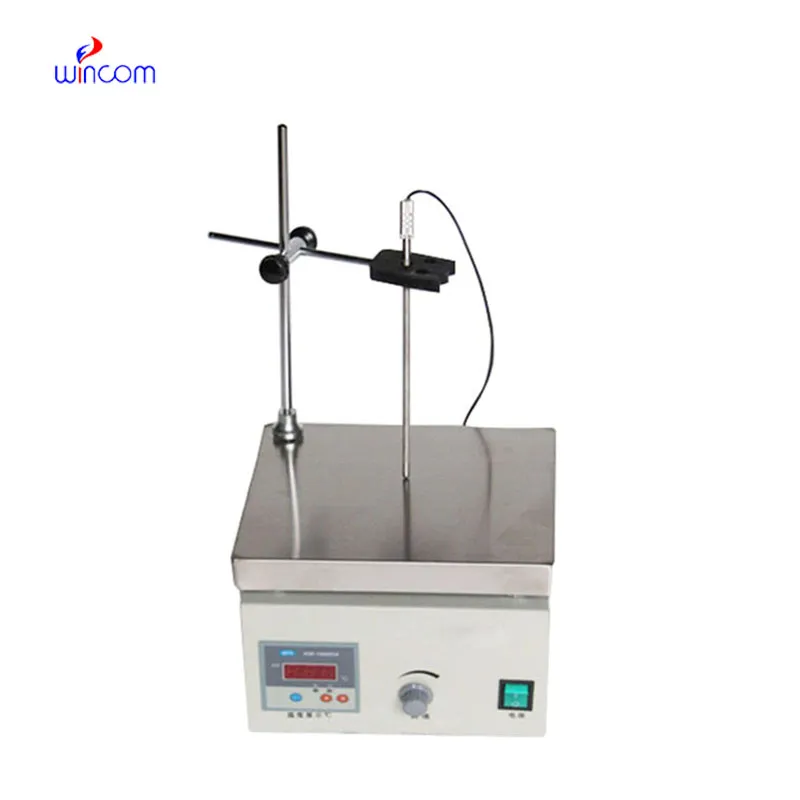
Designed to supply uniform and accurate heating, the thermostat circulating water bath is noted for its rugged build and simple controls. Temperature is variable in small steps and maintained constant through a sophisticated microprocessor-operated system. The stainless-steel enclosure resists corrosion and distributes heat evenly. The thermostat circulating water bath is equipped with automatic temperature recovery and low-water protection for added security. With its sleek exterior, noiseless running, and power conservation, it fits into any laboratory setup. The thermostat circulating water bath makes certain that there is consistent performance during critical experimental procedures.

The thermostat circulating water bath is a valuable resource of laboratories in biology, chemistry, and clinical research. The thermostat circulating water bath is most commonly used for warming cultures, pre-warming reagents, softening substrates, and adjusting sample temperatures. In microbiology, the thermostat circulating water bath is applied to grow bacterial cultures at controlled temperatures. In chemistry laboratory facilities, it is applied to reaction kinetics and digestion reactions of samples. Pharmaceutical facilities utilize the thermostat circulating water bath for product testing and stability tests. Its precise temperature control yields consistent results, supporting research and quality control procedures.
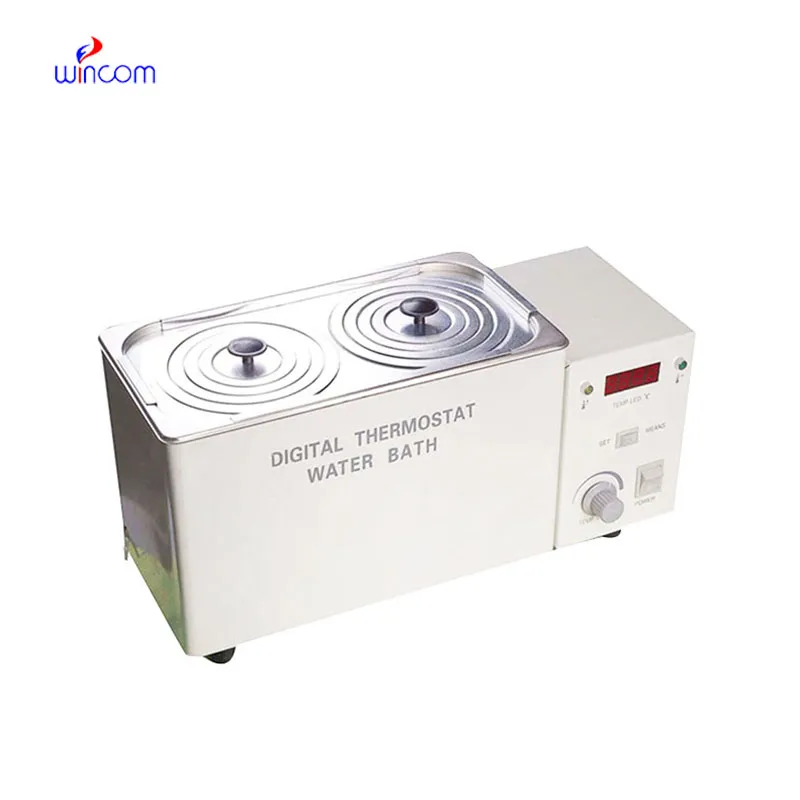
The future for the thermostat circulating water bath is more precision and more automation. Future models will incorporate improved digital control systems through the advancement in sensor technology, providing even more precise temperature performance. The thermostat circulating water bath will be integrated into smart laboratory networks to permit remote monitoring and data logging through cloud-based systems. The thermostat circulating water bath will also include eco-friendly materials and energy-saving heating systems. Though labs themselves are rapidly becoming more advanced, the future generation of the thermostat circulating water bath will emphasize flexibility, end-user safety, and integration transparency with current research pipelines.
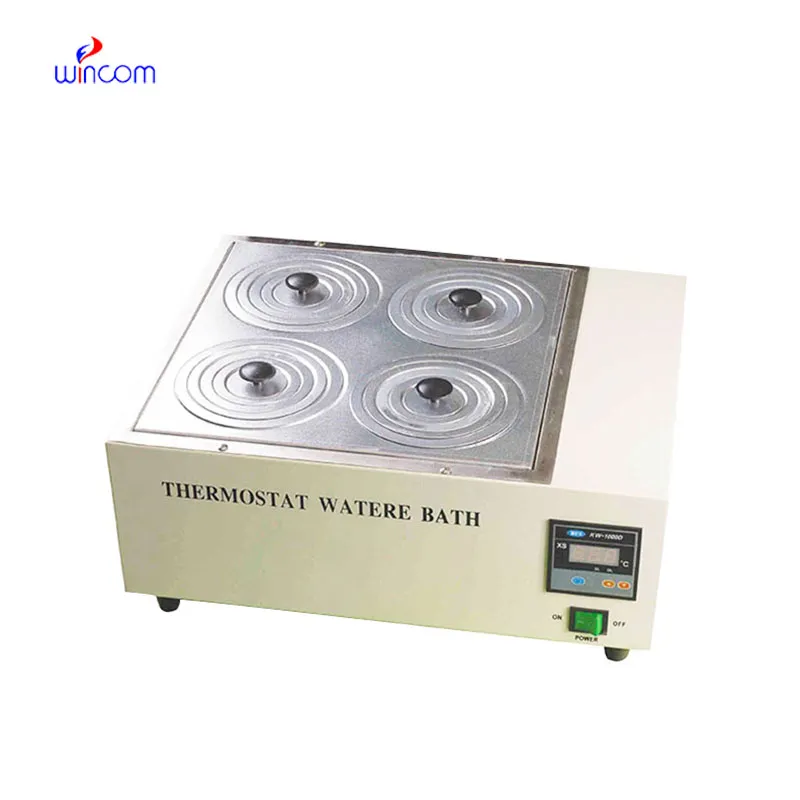
Maintenance of thermostat circulating water bath involves periodic cleaning and inspection cycles. Unplug the device and let it cool down completely. Clean the interior using non-abrasive cleaning materials to prevent scratching. Use deionized water to limit mineral deposition and maximize heating efficiency. Check for rust or deposition on metal components. Ensure the temperature sensor is covered up to the hilt in use. Regular maintenance prevents the thermostat circulating water bath from delivering optimal performance and shortening the lifespan of its heater elements.
A thermostat circulating water bath is an important laboratory instrument used to give precise temperatures for samples when incubation, heating, or chemical reactions are ongoing. It provides uniform heat distribution through water circulation, ensuring uniform results for every sample. The thermostat circulating water bath is typically used in biology, chemistry, and medical labs where temperature regulation is important. Digital controls that are adjustable make it easy for users to track and regulate temperature for various experimental needs. Constructed from stainless steel chambers of high quality, the thermostat circulating water bath is safe, reliable, and durable in the long term for research and testing purposes.
Q: Can a water bath be used for enzyme incubation? A: Yes, water baths are frequently used for enzyme incubation, as they provide precise and stable temperature conditions necessary for biological reactions. Q: How does a digital water bath differ from an analog one? A: A digital water bath offers programmable controls and precise temperature readings, while analog models rely on manual adjustments and thermometers. Q: What maintenance steps extend the life of a water bath? A: Regular cleaning, using distilled water, checking the thermostat, and drying the chamber after use all help maintain performance. Q: Why do some water baths have lids or covers? A: Lids help reduce heat loss, prevent contamination, and minimize evaporation, maintaining consistent internal temperatures. Q: What should be done if a water bath fails to heat properly? A: Inspect the power supply, thermostat, and heating element; if the issue persists, discontinue use until professional servicing is performed.
This x-ray machine is reliable and easy to operate. Our technicians appreciate how quickly it processes scans, saving valuable time during busy patient hours.
The centrifuge operates quietly and efficiently. It’s compact but surprisingly powerful, making it perfect for daily lab use.
To protect the privacy of our buyers, only public service email domains like Gmail, Yahoo, and MSN will be displayed. Additionally, only a limited portion of the inquiry content will be shown.
We’re currently sourcing an ultrasound scanner for hospital use. Please send product specification...
Hello, I’m interested in your centrifuge models for laboratory use. Could you please send me more ...
E-mail: [email protected]
Tel: +86-731-84176622
+86-731-84136655
Address: Rm.1507,Xinsancheng Plaza. No.58, Renmin Road(E),Changsha,Hunan,China


 EN
 af
 es
 ar
 tr
 sw
 pt
 th
 ur
 bn
 ne
 vi
 km
 lo
 de
 ru
 fi
 nl
 fa
 fr
 ko