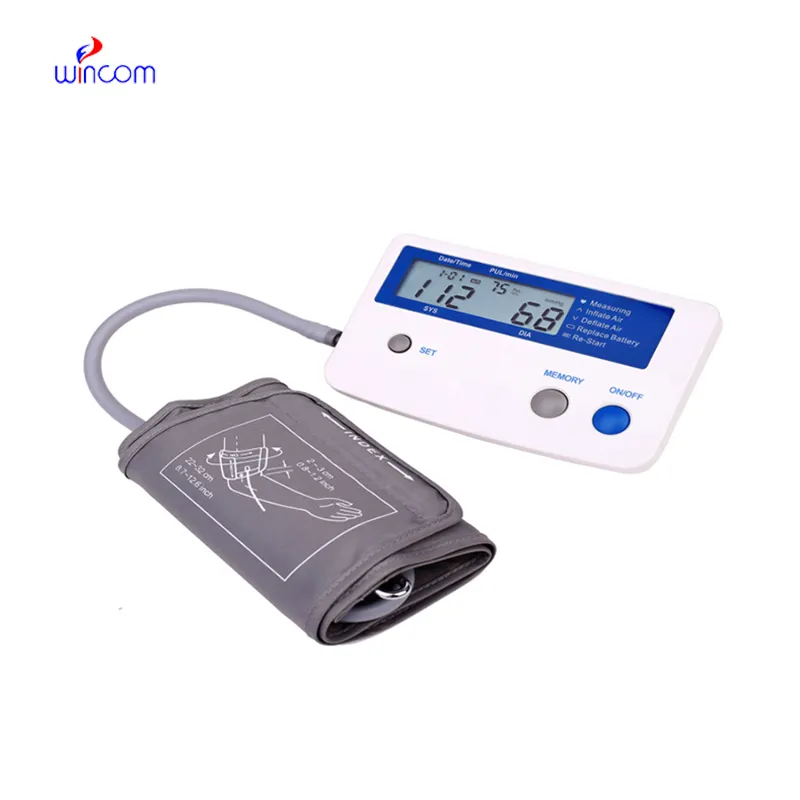
The water bath treatment laboratory has functionality with advanced temperature control technology. Its heater system includes stable thermal consistency, whereby each sample in the chamber undergoes equal heat exposure. The water bath treatment laboratory enables precise temperature setting and adjustments with an easy-to-use digital control panel. Its stainless-steel tank includes superior corrosion resistance and chemical reaction resistance. With built-in protection features such as thermal cut-off and water level sensing, the water bath treatment laboratory is all about performance and protection. It is best for regular lab applications and for certain scientific applications.

The water bath treatment laboratory provides wide usage of laboratory and test protocols through the maintenance of constant temperatures. It is used in sample incubation, coagulation testing, and research on enzymes. In physical and chemical tests, the water bath treatment laboratory is utilized to keep products at stable temperatures during tests for viscosity or density. The water bath treatment laboratory is further used in food, cosmetic, and pharmaceutical quality testing. The accuracy and stability of the water bath treatment laboratory ensure consistent results, making it an integral component of laboratory operations on a daily basis.
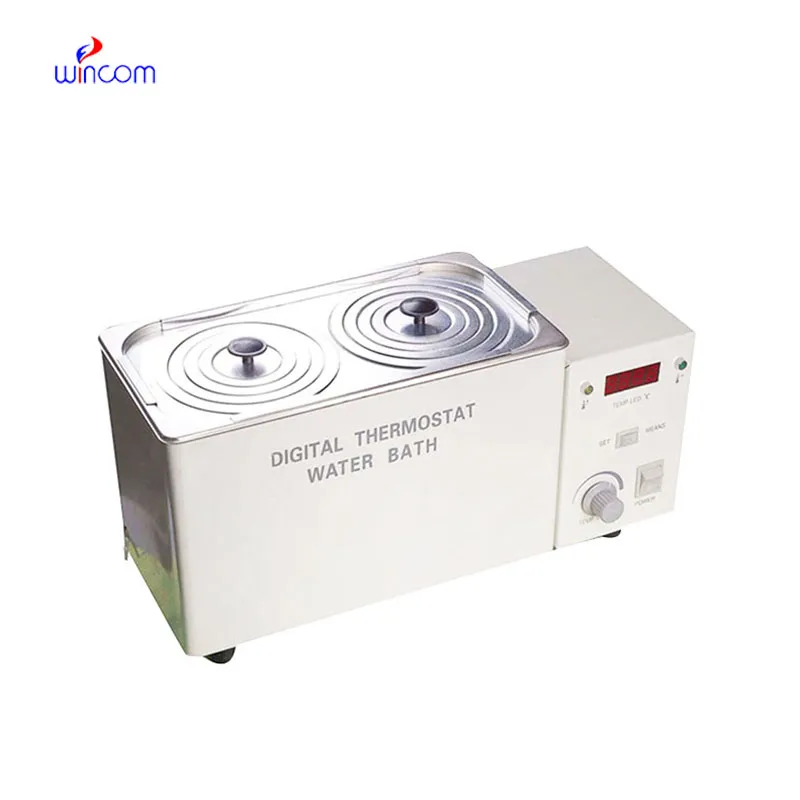
The future for the water bath treatment laboratory is more precision and more automation. Future models will incorporate improved digital control systems through the advancement in sensor technology, providing even more precise temperature performance. The water bath treatment laboratory will be integrated into smart laboratory networks to permit remote monitoring and data logging through cloud-based systems. The water bath treatment laboratory will also include eco-friendly materials and energy-saving heating systems. Though labs themselves are rapidly becoming more advanced, the future generation of the water bath treatment laboratory will emphasize flexibility, end-user safety, and integration transparency with current research pipelines.
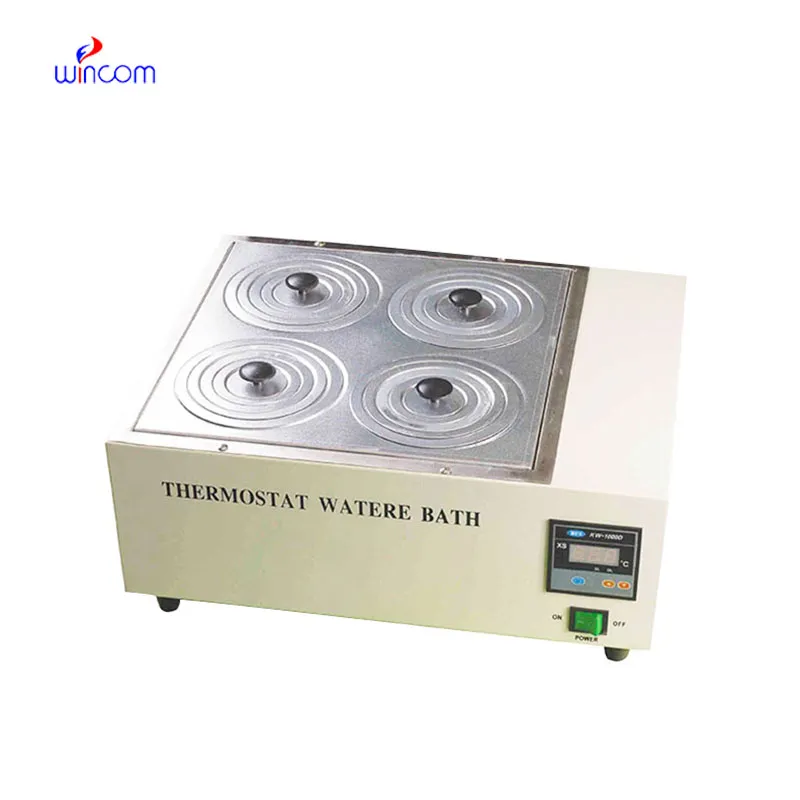
Maintenance of the water bath treatment laboratory on regular basis is a requirement for good performance in temperature and longevity. Scaling and corrosion in the chamber are avoided by regular cleaning. It's best to replace the water after every other day, especially for continuous use. At the intervals, the heating elements and thermostat should be inspected for breakdown or wear. Use gentle cloths and mild soaps to avoid scratching the surface. In normal servicing, the water bath treatment laboratory remains functional and continues to meet laboratory standards year by year.
A water bath treatment laboratory is an easy way to have constant temperatures for a number of laboratory applications. It possesses a heating element and thermostat to maintain the water at a level chosen by the user. Scientists rely on the water bath treatment laboratory for incubation, chemical reaction, and sample heating operations that require accurate temperature control. The gentle circulation of the water prevents hot spots and cold spots from occurring, providing uniform heat transfer. Constructed with a strong outer casing and safety mechanisms, the water bath treatment laboratory is a workhorse for routine and specialized lab procedures.
Q: What types of laboratory work benefit from using a water bath? A: Water baths are used in microbiology, chemistry, and biotechnology for incubating samples, warming reagents, and melting substances safely. Q: How can contamination be prevented inside a water bath? A: Cleaning the tank regularly, using distilled water, and covering the bath when not in use can significantly reduce contamination risk. Q: Is it safe to leave a water bath running overnight? A: It is generally safe for models with over-temperature protection, but regular supervision and adherence to manufacturer guidelines are strongly advised. Q: What causes uneven heating in a water bath? A: Uneven heating may result from improper circulation, incorrect water level, or malfunctioning heating elements. Q: Why is it important to monitor the water level in a bath? A: Maintaining an adequate water level prevents damage to heating elements and ensures consistent thermal contact with the samples.
The hospital bed is well-designed and very practical. Patients find it comfortable, and nurses appreciate how simple it is to operate.
We’ve used this centrifuge for several months now, and it has performed consistently well. The speed control and balance are excellent.
To protect the privacy of our buyers, only public service email domains like Gmail, Yahoo, and MSN will be displayed. Additionally, only a limited portion of the inquiry content will be shown.
Could you please provide more information about your microscope range? I’d like to know the magnif...
Hello, I’m interested in your centrifuge models for laboratory use. Could you please send me more ...
E-mail: [email protected]
Tel: +86-731-84176622
+86-731-84136655
Address: Rm.1507,Xinsancheng Plaza. No.58, Renmin Road(E),Changsha,Hunan,China


 EN
 af
 es
 ar
 tr
 sw
 pt
 th
 ur
 bn
 ne
 vi
 km
 lo
 de
 ru
 fi
 nl
 fa
 fr
 ko